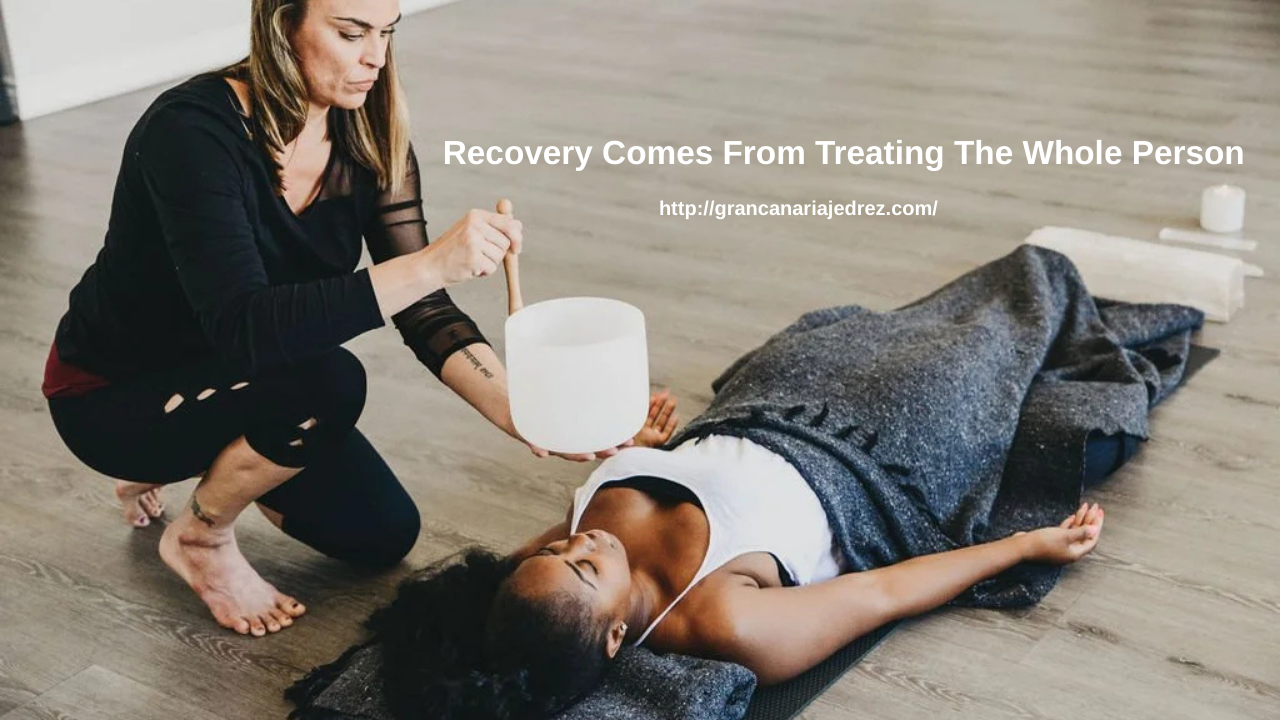
Recovery is not only about breaking free from harmful habits. It is also about repairing the brain, rediscovering joy, and building a healthier future. For many people navigating addiction recovery or managing mental health challenges, hobbies can be a powerful tool in the healing process. Engaging in positive activities such as art, music, movement, or mindfulness is more than just a way to pass time. These hobbies stimulate the brain, reduce stress, and create natural pathways to mental wellness.
How Hobbies Support Brain Recovery
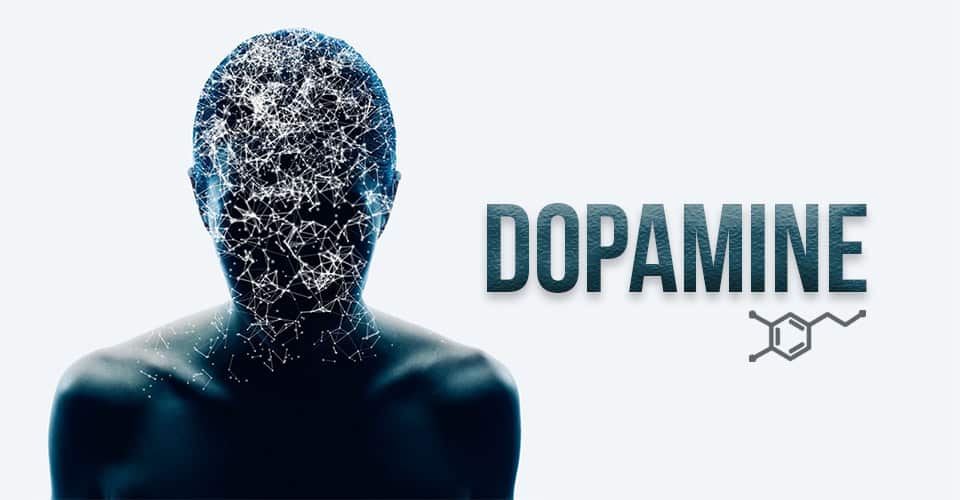
Addiction and prolonged stress can change the way the brain functions, particularly in areas that control pleasure, decision-making, and motivation. This is why early recovery often feels overwhelming and emotionally draining. Healthy hobbies act as a form of brain rehabilitation by encouraging the release of dopamine in balanced, sustainable ways.
Over time, these activities help restore the brain’s natural ability to experience pleasure. Instead of relying on harmful substances or negative coping mechanisms, the brain learns to respond positively to healthy stimulation.
Creative Hobbies: Rewiring Through Expression
Art as Emotional Therapy
Drawing, painting, writing, or playing music provides a safe way to process emotions that may be difficult to express verbally. Creative outlets allow individuals to release inner struggles and gain clarity, reducing the risk of being overwhelmed by cravings or negative thoughts.
Building Confidence Through Creation
Completing a project, whether it is a small sketch or a piece of writing, brings a sense of accomplishment. These achievements help rebuild self-esteem, which often suffers during periods of addiction or mental health struggles.
Movement-Based Hobbies: Healing the Mind and Body
The Power of Physical Activity
Exercise is a proven way to reduce stress, improve mood, and regulate sleep. Activities such as walking, yoga, dance, or team sports increase endorphin levels, which naturally boost energy and emotional stability.
Structure and Routine
Incorporating physical hobbies into daily life also creates structure. For individuals in recovery, replacing destructive habits with positive routines is an essential step toward long-term stability.
Mindfulness Practices: Training the Brain for Balance
Reducing Stress and Cravings
Mindfulness hobbies such as meditation, journaling, or deep breathing exercises teach the brain to slow down and stay present. By practicing awareness without judgment, individuals learn to manage cravings and triggers more effectively.
Enhancing Focus and Resilience
Over time, mindfulness strengthens resilience by helping people handle stress with greater clarity. This skill is especially valuable for maintaining mental health and preventing relapse.
Practical Tips for Getting Started
Healing through hobbies does not require perfection. Start small by dedicating just 15 minutes each day to an activity that feels enjoyable and manageable. Whether it is sketching, stretching, or practicing gratitude journaling, consistency is more important than intensity. Over time, these practices become powerful tools for sustained recovery.
Choosing Healing Every Day
Rebuilding mental health and sustaining recovery is a journey that requires care, patience, and support. Hobbies provide a natural and enjoyable way to repair the brain, foster resilience, and rediscover joy. When paired with professional addiction recovery services, mental health treatment, and a holistic, faith-based approach, positive activities can become a cornerstone of lasting wellness.
If you or someone you love is ready to begin this journey, help is available. Reach out today to explore compassionate, personalized care that supports healing from the inside out. A balanced life begins with small, intentional steps—and choosing to nurture your mind through healthy hobbies is one of the most powerful steps you can take.