
Categories
Uncategorized

Brain Rehab Through Hobbies: A Natural Path to Mental Wellness

Recovery is not only about breaking free from harmful habits. It is also about repairing the brain, rediscovering joy, and building a healthier future. For many people navigating addiction recovery or managing mental health challenges, hobbies can be a powerful tool in the healing process. Engaging in positive activities such as art, music, movement, or mindfulness is more than just a way to pass time. These hobbies stimulate the brain, reduce stress, and create natural pathways to mental wellness.

How Hobbies Support Brain Recovery

Addiction and prolonged stress can change the way the brain functions, particularly in areas that control pleasure, decision-making, and motivation. This is why early recovery often feels overwhelming and emotionally draining. Healthy hobbies act as a form of brain rehabilitation by encouraging the release of dopamine in balanced, sustainable ways.

Over time, these activities help restore the brain’s natural ability to experience pleasure. Instead of relying on harmful substances or negative coping mechanisms, the brain learns to respond positively to healthy stimulation.

Creative Hobbies: Rewiring Through Expression

Art as Emotional Therapy

Drawing, painting, writing, or playing music provides a safe way to process emotions that may be difficult to express verbally. Creative outlets allow individuals to release inner struggles and gain clarity, reducing the risk of being overwhelmed by cravings or negative thoughts.

Building Confidence Through Creation

Completing a project, whether it is a small sketch or a piece of writing, brings a sense of accomplishment. These achievements help rebuild self-esteem, which often suffers during periods of addiction or mental health struggles.

Movement-Based Hobbies: Healing the Mind and Body

The Power of Physical Activity

Exercise is a proven way to reduce stress, improve mood, and regulate sleep. Activities such as walking, yoga, dance, or team sports increase endorphin levels, which naturally boost energy and emotional stability.

Structure and Routine

Incorporating physical hobbies into daily life also creates structure. For individuals in recovery, replacing destructive habits with positive routines is an essential step toward long-term stability.

Mindfulness Practices: Training the Brain for Balance

Reducing Stress and Cravings

Mindfulness hobbies such as meditation, journaling, or deep breathing exercises teach the brain to slow down and stay present. By practicing awareness without judgment, individuals learn to manage cravings and triggers more effectively.

Enhancing Focus and Resilience

Over time, mindfulness strengthens resilience by helping people handle stress with greater clarity. This skill is especially valuable for maintaining mental health and preventing relapse.

Practical Tips for Getting Started

Healing through hobbies does not require perfection. Start small by dedicating just 15 minutes each day to an activity that feels enjoyable and manageable. Whether it is sketching, stretching, or practicing gratitude journaling, consistency is more important than intensity. Over time, these practices become powerful tools for sustained recovery.

Choosing Healing Every Day

Rebuilding mental health and sustaining recovery is a journey that requires care, patience, and support. Hobbies provide a natural and enjoyable way to repair the brain, foster resilience, and rediscover joy. When paired with professional addiction recovery services, mental health treatment, and a holistic, faith-based approach, positive activities can become a cornerstone of lasting wellness.

If you or someone you love is ready to begin this journey, help is available. Reach out today to explore compassionate, personalized care that supports healing from the inside out. A balanced life begins with small, intentional steps—and choosing to nurture your mind through healthy hobbies is one of the most powerful steps you can take.

Categories
Uncategorized

Art, Movement, and Mindfulness: Hobbies That Heal from the Inside Out

Recovery from addiction and mental health challenges is not just about abstaining from harmful substances or behaviors. It is about rebuilding the mind, body, and spirit in a way that promotes lasting wellness and balance. One of the most effective yet often overlooked tools in this process is engaging in hobbies. Activities such as art, movement, and mindfulness practices offer more than enjoyment—they actively support brain health, emotional regulation, and overall well-being.

The Role of Hobbies in Recovery

Addiction often rewires the brain’s reward system, making natural sources of joy feel dull or unimportant. This is why many individuals in recovery struggle to find motivation or satisfaction in everyday life. Hobbies help restore that balance by providing healthy, consistent stimulation that encourages positive neural pathways.

Engaging in creative, physical, and mindful activities is more than a pastime—it is an essential part of holistic recovery. When combined with professional treatment, personalized care, and a supportive environment, these practices empower individuals to heal from the inside out.

Art: Expressing Emotion and Rebuilding Identity

Creative Expression as Therapy

Art-based activities like painting, drawing, or sculpture allow individuals to explore and express emotions safely. Many people in recovery experience feelings of grief, anxiety, or anger that are difficult to articulate with words. Art provides a visual and tactile outlet for these emotions, reducing stress and fostering self-understanding.

Reinforcing Self-Worth

Completing an art project, no matter the skill level, offers a sense of accomplishment. This reinforces self-esteem, which is often eroded by addiction, and helps individuals redefine their identity beyond their past struggles.

Movement: Healing Through Physical Activity

Exercise for the Brain and Body

Physical activity, whether it is yoga, walking, dancing, or team sports, promotes the release of endorphins. These natural mood-boosting chemicals help regulate emotions and reduce cravings. Regular movement also supports better sleep, energy levels, and cognitive function—key components in sustaining recovery.

Building Discipline and Routine

Incorporating movement into daily life creates structure, which is critical for individuals transitioning out of addiction. Consistent routines help replace old habits with positive, health-promoting ones, reducing the likelihood of relapse.

Mindfulness: Cultivating Awareness and Resilience

Stress Reduction and Emotional Regulation

Mindfulness practices such as meditation, deep breathing, or guided visualization teach individuals to observe thoughts and feelings without judgment. This skill is invaluable in recovery, where stress and triggers can easily lead to relapse. Mindfulness strengthens resilience and fosters a sense of calm and clarity.

Enhancing Focus and Presence

By practicing mindfulness regularly, individuals learn to stay grounded in the present moment. This reduces rumination on past mistakes or anxieties about the future, allowing the brain and body to rest and recharge.

Practical Ways to Incorporate Hobbies

Starting small is key. Consider setting aside fifteen minutes a day for creative expression, a short walk or yoga session, or a brief mindfulness exercise. Over time, these small steps accumulate into a consistent routine that supports mental, emotional, and physical healing.

Taking the Next Step Toward Healing

Recovery is a journey, and each step forward matters. Integrating art, movement, and mindfulness into daily life provides practical, science-backed ways to restore balance, build resilience, and find joy beyond addiction.

If you or a loved one are seeking a compassionate, holistic approach to recovery, help is available. Reach out today to explore personalized treatment options that combine professional care with activities that heal from the inside out. Your path to lasting wellness begins with one intentional step.

Categories
Uncategorized

From Broken to Balanced: How Positive Habits Restore Brain Health

Addiction and mental health struggles can leave the brain feeling fractured, overwhelmed, and out of sync. Many people in recovery describe feeling disconnected from themselves and unsure how to rebuild. The good news is that healing is not only possible, but science shows the brain has an incredible ability to repair and adapt. With the right environment, care, and consistent positive habits, individuals can move from brokenness to balance and rediscover a life filled with clarity, stability, and hope.

The Brain’s Resilience in Recovery

The human brain is designed for healing through a process called neuroplasticity. This means it can create new pathways and rewire itself, even after years of harmful patterns caused by addiction or prolonged stress. However, for this healing to occur, the brain needs consistent support through healthy choices, safe environments, and compassionate care.

At its core, recovery is not just about removing harmful substances. It is about giving the brain the tools it needs to thrive again. That is where positive habits play a crucial role.

How Positive Habits Heal the Brain

1. Restoring Balance Through Routine

One of the most powerful ways to strengthen brain health is by establishing a daily rhythm. Addiction often thrives in chaos, but structure provides stability. Simple habits like consistent sleep, regular meals, and set times for reflection or exercise create a foundation for healing that the brain can rely on.

2. Nourishing the Mind with Movement and Nutrition

Exercise and proper nutrition are natural medicines for the brain. Physical activity increases blood flow, reduces stress hormones, and releases endorphins that improve mood. Balanced meals support energy, focus, and emotional regulation. Together, these habits restore the brain’s ability to function at its best.

3. Replacing Destructive Patterns with Creative Outlets

Addiction changes how the brain experiences reward and pleasure. By introducing positive activities like art, music, journaling, or gardening, individuals can create new sources of joy that are both sustainable and healthy. These outlets not only reduce cravings but also rebuild a sense of purpose.

4. Strengthening Connection Through Community

Healing cannot happen in isolation. Habits that foster connection, such as attending support groups, faith-based gatherings, or therapy sessions, allow individuals to share experiences and receive encouragement. Community reinforces accountability and reminds people they are not alone in their journey.

A Holistic Approach to Brain Health

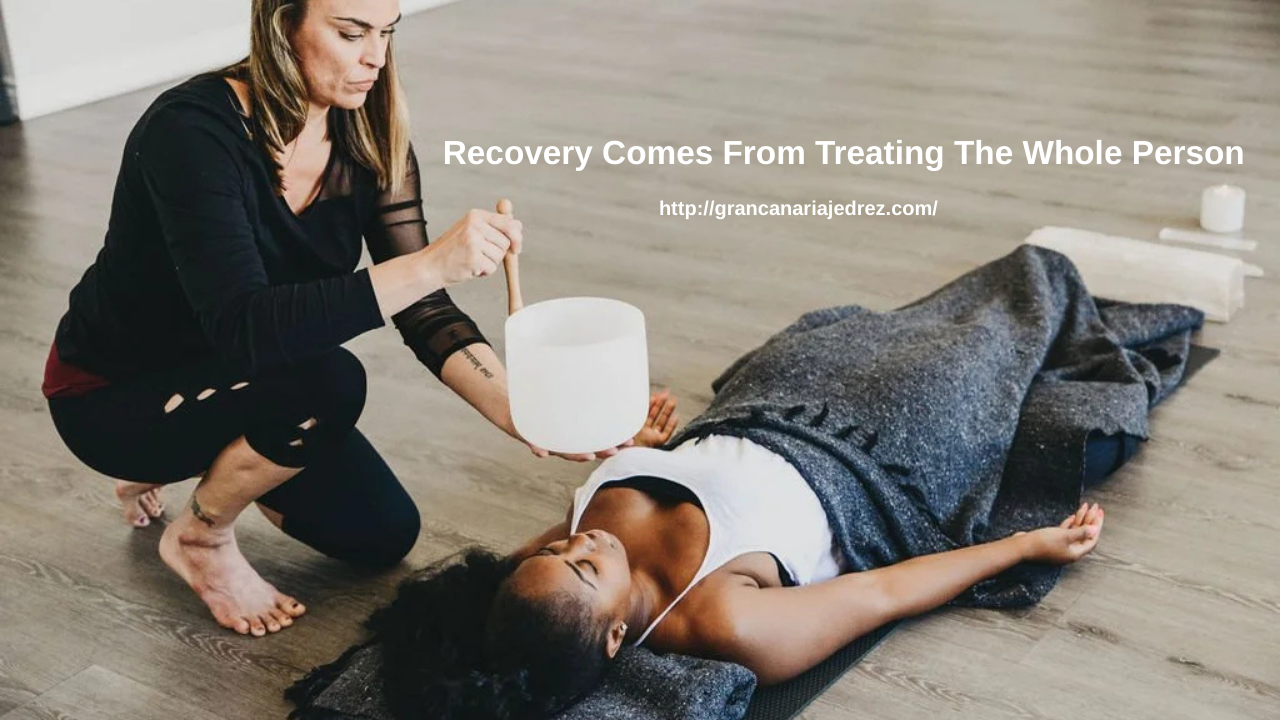
Sustainable recovery comes from treating the whole person, not just the symptoms. That is why holistic and individualized care is so effective. By combining professional addiction treatment, mental health therapy, spiritual guidance, and lifestyle coaching, individuals receive support that addresses every layer of their well-being.

This integrated approach recognizes that brain health is closely tied to physical health, emotional stability, and spiritual growth. Together, these elements create a pathway from brokenness to balance.

Practical First Steps Toward Healing

If you are beginning your recovery journey, start small and remain consistent. Consider:

  • Setting a morning routine to ground your day.
  • Prioritizing sleep and healthy meals.
  • Choosing one creative activity to explore each week.
  • Scheduling time to connect with supportive people.

Each positive habit you practice is a brick in the foundation of your recovery. Over time, these small steps build resilience, restore balance, and create lasting transformation.

Conclusion: Moving Forward with Hope

Healing the brain after addiction or mental health challenges is not an overnight process. It requires patience, persistence, and the right support system. The journey may begin in brokenness, but with compassionate care, faith, and intentional habits, balance can be restored.

If you or a loved one is seeking recovery, know that help is available. Professional treatment, combined with positive daily habits, can provide the foundation for long-term healing. Reach out today to begin building a healthier, more fulfilling future.

Categories
Uncategorized

The Hobby Effect: Replacing Stress with Joy One Passion at a Time

Stress is one of the most common triggers for addiction and relapse. When life feels overwhelming, it is easy to seek quick relief in substances or unhealthy coping mechanisms. Yet recovery teaches us that there are healthier ways to manage emotions and restore balance. One of the most powerful tools for healing is also one of the most overlooked: hobbies. Engaging in meaningful activities not only reduces stress but also rewires the brain to find joy in simple, sustainable ways.

The Link Between Stress, Addiction, and Mental Health

Addiction and mental health challenges often thrive in environments of high stress. When the brain is under pressure, it naturally seeks reward and comfort. Substances like drugs or alcohol create an artificial sense of relief, but they also damage the brain’s reward system over time.

In recovery, individuals must learn new ways to handle stress. This is where hobbies become essential. Activities like painting, gardening, playing music, or even hiking provide healthy outlets that help regulate emotions, improve focus, and replace the destructive cycle of addiction with lasting fulfillment.

Why Hobbies Work in Recovery

1. Natural Stress Relief

Creative and physical activities release endorphins, the body’s natural stress fighters. Unlike substances, these chemicals are produced in a balanced way that supports long-term emotional health. A simple activity like sketching or cooking can shift the nervous system from a state of tension to calm.

2. Rewiring the Brain

Recovery depends on the brain’s ability to form new pathways through neuroplasticity. Each time a person engages in a healthy activity, they strengthen the connections that make joy and peace possible without substances. Over time, these new habits help reduce cravings and prevent relapse.

3. Building Structure and Routine

Hobbies add purpose and rhythm to daily life. Addiction often thrives in chaos, but recovery flourishes in structure. Whether it is attending a weekly art class or spending time in the garden each morning, hobbies provide stability that supports sobriety.

4. Restoring Identity

Addiction can strip away a person’s sense of self. Many people in recovery struggle with the question, “Who am I without my addiction?” Hobbies offer an empowering answer. A person can rediscover themselves as a writer, a dancer, a cyclist, or a musician. These identities build confidence and self-worth.

Practical Ways to Begin

Starting a hobby in recovery does not require perfection or even experience. The goal is exploration, not mastery. Here are a few ideas:

  • Try journaling or creative writing to process emotions.
  • Experiment with cooking nutritious meals to support both body and mind.
  • Take daily walks or practice yoga to reduce stress and strengthen resilience.
  • Explore art, music, or crafts to express feelings in healthy ways.

Small, consistent steps can transform into powerful tools for healing.

A Holistic Path to Joy

True recovery is not just about removing harmful substances. It is about building a life filled with purpose, connection, and joy. Hobbies are not distractions. They are essential parts of holistic healing that restore balance to the mind and body.

At centers that offer compassionate, faith-based, and individualized care, hobbies are often integrated into treatment plans alongside therapy, counseling, and medical support. This whole-person approach ensures that recovery addresses not just the addiction, but the heart and soul behind it.

Take the First Step Toward Joy

Recovery is not only about leaving something behind. It is about moving toward something better. By discovering new hobbies and passions, individuals can replace stress with joy and rebuild a life worth living.

If you or a loved one is struggling with addiction or mental health challenges, know that help is available. Reach out today to explore holistic treatment options that combine professional care with the healing power of purpose-driven activities. A brighter, healthier future can begin with one small step.

Categories
Uncategorized

Rewire Your Mind: The Science Behind Healing Through Creative Activities

Recovery is more than breaking free from addiction. It is a complete transformation of the mind, body, and spirit. While medical care, therapy, and support groups are vital, there is another powerful tool that often gets overlooked: creative activities. From painting and writing to music and crafting, engaging in creativity is not just enjoyable—it can physically rewire the brain, restore emotional balance, and help people find joy in sober living.

The Connection Between Creativity and Brain Health

Addiction changes the brain’s chemistry. Substances overstimulate the reward system, flooding it with dopamine and creating an unhealthy cycle of craving and dependence. When someone begins recovery, the brain must learn to find satisfaction from natural, healthy sources again. Creative activities provide a safe and sustainable way to trigger dopamine release, promoting healing while reducing the risk of relapse.

Research into neuroplasticity shows that the brain can form new pathways through repeated positive actions. Activities like drawing, playing music, or woodworking stimulate areas of the brain that control focus, problem-solving, and emotional regulation. Over time, these new pathways help replace the ones tied to addictive behavior.

Why Creative Activities Work in Recovery

1. Emotional Expression

Recovery often comes with a wave of emotions—grief, anxiety, anger, and hope. Creative outlets give individuals a safe space to process those feelings without judgment. Painting can help release tension. Writing can help clarify thoughts. Music can provide comfort when words fall short.

2. Mindful Engagement

Creativity demands focus, which helps quiet the mental noise of cravings and intrusive thoughts. This mindful state is similar to meditation, lowering stress and improving mental clarity. When a person is fully absorbed in creating, they are present in the moment, which is essential for lasting recovery.

3. Building Self-Worth

Many people struggle with self-esteem after addiction. Completing a creative project offers a tangible sense of accomplishment. This renewed confidence can be a powerful motivator to continue making healthy choices.

4. Replacing Risk with Reward

Substance abuse is often linked to the pursuit of intense highs. Creative activities offer a different kind of reward—one rooted in personal growth, skill development, and connection. Over time, the brain learns to crave these healthier experiences.

Incorporating Creativity Into Recovery

The beauty of creative healing is that there are no strict rules. Start with something small. Try sketching, journaling, baking, or photography. Choose an activity that sparks interest rather than pressure. The goal is not perfection, but progress.

In treatment settings, structured creative therapy can complement counseling and medical care. Group art sessions, music workshops, or guided writing exercises can foster community and deepen emotional healing.

A Holistic Path to Lasting Change

At its core, recovery is about building a life worth staying sober for. Creative activities are more than a pastime. They are a pathway to mental restoration, emotional stability, and personal joy. By embracing creativity, individuals can strengthen their minds, replace harmful habits, and experience the fulfillment of living with purpose.

If you or a loved one is seeking a holistic, personalized approach to recovery, help is available. Reach out today and take the first step toward a life that is not only free from addiction but rich in meaning and possibility.

Categories
Uncategorized

Crafting Recovery: How Hobbies Rebuild the Brain After Addiction

Addiction doesn’t just affect behavior—it physically changes the brain. Substances like drugs and alcohol hijack the brain’s reward system, altering how it processes pleasure, motivation, and emotional regulation. In recovery, the brain begins a gradual process of healing and rewiring. One of the most powerful tools in this process is surprisingly simple: hobbies.

Hobbies aren’t just leisure activities. For someone in recovery, they can be therapeutic lifelines—offering structure, satisfaction, and a healthy way to experience joy. From painting and writing to gardening or learning an instrument, hobbies help repair the brain and rebuild a life centered on balance and fulfillment.

The Neuroscience of Healing

Addiction creates unnatural dopamine spikes, the brain chemical responsible for feelings of pleasure and reward. Over time, the brain becomes dependent on the substance to produce dopamine, leaving other activities feeling dull or meaningless.

When substance use stops, the brain is temporarily starved of this feel-good chemical. This is one reason early recovery can feel so emotionally flat or joyless. However, the brain is capable of neuroplasticity—its ability to form new neural pathways. Positive, repeated experiences—like engaging in hobbies—help retrain the brain to find pleasure in natural, sustainable ways.

How Hobbies Aid Brain Recovery

1. Restoring the Reward System

Creative and engaging hobbies stimulate dopamine release without the crash or consequences of substance use. Activities like drawing, playing music, or solving puzzles activate the brain’s reward circuits, making sobriety feel more enjoyable and less like a sacrifice.

2. Strengthening Focus and Discipline

Addiction often erodes attention span and impulse control. Hobbies that require concentration—like crafting, reading, or woodworking—help retrain the brain to slow down, focus, and follow through on tasks. This strengthens cognitive functions critical for long-term recovery.

3. Regulating Emotions

Hobbies offer a healthy outlet for emotional expression. Painting can process grief. Writing can express anxiety. Gardening can ease stress. These forms of expression help release built-up emotions in a safe, constructive way—supporting emotional regulation and resilience.

4. Building Routine and Purpose

Recovery requires stability, and hobbies bring structure to the day. Having a regular activity creates a positive routine, something to look forward to and commit to. Over time, this sense of purpose helps replace the chaos that addiction left behind.

5. Rebuilding Identity

Many people in recovery feel lost, unsure of who they are without their addiction. Hobbies help rebuild self-image. A person no longer defines themselves solely by their struggle—they become a painter, a hiker, a writer, a drummer. These new identities are empowering and affirming.

Getting Started

Recovery is the perfect time to rediscover or explore interests. Try a few things—music, cooking, yoga, photography—and see what clicks. There’s no pressure to be great at it; the goal is joy, not perfection.

Final Thoughts

Healing from addiction isn’t just about quitting a substance—it’s about rebuilding the mind and rediscovering joy. Hobbies are more than pastimes; they are powerful tools for rewiring the brain, restoring self-worth, and crafting a life that’s rich, purposeful, and sober. In recovery, the smallest passions can lead to the biggest breakthroughs.

Categories
Uncategorized

The Dopamine Shift: How Purposeful Activities Can Mimic Addiction’s High

Addiction fundamentally alters the brain’s reward system, creating an intense focus on substances that deliver fast, artificial highs. Drugs, alcohol, and even behavioral addictions like gambling trigger massive releases of dopamine—the brain’s “feel-good” chemical. This surge creates temporary euphoria but leaves lasting damage. Over time, the brain becomes dependent on substances to experience pleasure, making everyday life feel dull or meaningless in comparison.

Recovery, then, is not just about stopping substance use; it’s about resetting the brain’s relationship with pleasure. One effective way to do this is by engaging in purposeful activities that naturally stimulate dopamine production, offering a healthy “high” without the destructive consequences.

Understanding the Dopamine System

Dopamine is responsible for motivation, reward, and pleasure. It helps reinforce behaviors that are beneficial, like eating, socializing, or achieving goals. However, addiction floods the brain with excessive dopamine, far beyond what natural experiences provide. This hijacks the reward system, rewiring the brain to prioritize substance use over all else.

Once the substance is removed, the brain initially struggles to produce dopamine normally. This leads to cravings, depression, and a sense of emptiness—often called anhedonia. That’s why replacing addiction with healthy, purpose-driven activities is so important. These activities gradually retrain the brain to find joy and fulfillment in sober living.

How Purposeful Activities Mimic the “High”

1. Natural Dopamine Release

Activities like exercise, creative arts, learning new skills, or helping others stimulate the brain’s reward system in safe, sustainable ways. Running, dancing, painting, or even solving a challenging problem can produce a dopamine boost, creating a natural sense of satisfaction and excitement. Unlike substance use, these rewards don’t damage the brain—they strengthen it.

2. The Joy of Progress and Mastery

Addiction creates instant gratification, but purposeful activities provide long-term gratification. Setting and achieving goals—whether it’s completing a project, mastering a new skill, or volunteering for a cause—triggers a steady release of dopamine. This builds resilience, patience, and a lasting sense of accomplishment, which can be just as rewarding as the fleeting high of substances.

3. Meaning and Connection

Purpose-driven activities often involve personal growth and connection with others. Joining a community, engaging in creative collaboration, or working toward a meaningful cause activates the brain’s social and emotional reward centers. These connections release oxytocin and dopamine together, creating feelings of trust, happiness, and belonging that are crucial for recovery.

Examples of Purposeful Activities

  • Physical Exercise: Running, yoga, martial arts, or team sports
  • Creative Expression: Music, art, writing, or crafts
  • Learning and Growth: Education, new hobbies, or skill development
  • Acts of Service: Volunteering, mentoring, or caregiving
  • Mindfulness Practices: Meditation, breathwork, or spiritual activities

Final Thoughts

The dopamine shift is about transitioning from harmful highs to healthy happiness. Purposeful activities help retrain the brain, offering a natural and sustainable way to experience joy, motivation, and connection. Over time, these activities replace the cravings for substances with a deeper, more meaningful sense of fulfillment. Recovery isn’t about giving up pleasure—it’s about finding it in new, life-affirming ways.

Categories
Uncategorized

Rebuilding Your Life: The Role of New Activities in Sustained Sobriety

Sobriety is not just about quitting drugs or alcohol—it’s about rebuilding a life that’s healthier, more meaningful, and worth staying sober for. One of the most powerful yet often overlooked tools in sustained recovery is the introduction of new activities. These can range from hobbies and physical exercise to volunteer work and creative outlets. New activities not only fill the time once consumed by addiction, but also help reshape identity, foster joy, and create lasting change.

The Importance of Filling the Void

When someone removes substances from their life, they often face a difficult question: “Now what?” Addiction tends to dominate a person’s time, thoughts, and routines. Without something positive to replace it, boredom, restlessness, and emotional discomfort can set in—often leading to relapse.

New activities serve as healthy substitutes. They provide structure, purpose, and a constructive way to spend time. More importantly, they help satisfy the brain’s need for reward and stimulation in a safe, sustainable way.

How New Activities Support Recovery

1. Rewiring the Brain

Addiction alters the brain’s reward system, making it hard to find joy in everyday life. Engaging in new, enjoyable activities—whether it’s gardening, painting, learning an instrument, or hiking—can help retrain the brain to experience pleasure from natural sources. This process supports emotional healing and reduces the likelihood of turning back to substances.

2. Creating Structure and Routine

Recovery thrives on routine. New activities help create structure in daily life, offering predictability and a sense of control. Scheduled activities also reduce idle time, which can often lead to temptation or negative thinking patterns.

3. Redefining Identity

For many in recovery, addiction became part of their identity. New activities give individuals a chance to redefine who they are. Instead of being seen—and seeing themselves—as an addict, they can now be a runner, an artist, a student, or a volunteer. This shift in self-perception fosters confidence and forward momentum.

4. Building New Relationships

Activities often open doors to new communities and social circles. Joining a sports team, a book club, or a community class can lead to supportive, like-minded friendships. These connections help reduce isolation, which is a major trigger for relapse, and increase accountability during recovery.

5. Enhancing Emotional Resilience

Many hobbies and pursuits are not just fun—they’re therapeutic. Activities like journaling, yoga, or music help people process emotions, reduce stress, and cope with challenges in healthier ways. They serve as emotional outlets, preventing feelings from building up and leading to relapse.

Getting Started

Recovery is a journey of self-discovery. The best way to find the right activity is to stay open and curious. Try something new. If it doesn’t stick, try something else. What matters most is finding something that brings a sense of enjoyment, purpose, or peace.

Final Thoughts

Rebuilding your life in sobriety doesn’t happen all at once—it happens through daily choices. Introducing new, positive activities into your routine can be a game-changer. They help reshape the mind, redefine your identity, and create a life so fulfilling that there’s no need to return to the old one. In the end, it’s not just about staying sober—it’s about thriving.

Categories
Uncategorized

Mind Over Cravings: Using Healthy Distractions to Overcome Addiction

Cravings are one of the most challenging aspects of addiction recovery. They can arise suddenly and powerfully, triggered by stress, memories, emotions, or even certain environments. But cravings are not permanent. Like waves, they build, peak, and eventually pass. The key is learning how to ride those waves without giving in—and one of the most effective strategies is using healthy distractions.

Understanding Cravings

Cravings are intense urges driven by the brain’s reward system, which has been conditioned to expect the quick relief or pleasure that substances provide. These urges don’t mean failure; they’re a natural part of the recovery process. What matters most is how one responds to them.

The idea isn’t to suppress cravings with willpower alone, but to redirect the mind toward healthier, more constructive activities. This redirection helps retrain the brain and build new neural pathways, supporting long-term recovery.

Why Healthy Distractions Work

Healthy distractions shift your focus from the craving to something positive, neutral, or productive. By interrupting the mental loop of obsession, they weaken the emotional grip of the craving. Engaging in an activity that absorbs your attention—even for a few minutes—can be enough to let the urge pass.

These distractions don’t just “kill time.” They play an active role in healing by boosting mood, improving focus, and reinforcing your commitment to a sober life.

Types of Healthy Distractions

1. Physical Activity

Exercise is one of the most powerful ways to distract the mind. It releases endorphins, reduces stress, and increases energy. Whether it’s a brisk walk, a bike ride, yoga, or dancing, moving your body helps release built-up tension and shift your mental state.

2. Creative Outlets

Art, writing, music, or crafting can help you express what you’re feeling without turning to substances. These activities give your mind a task to focus on while also processing emotions in a healthy way.

3. Mindfulness Practices

Meditation, deep breathing, or grounding exercises can help you observe cravings without reacting to them. These tools develop your awareness and resilience, teaching your mind to pause instead of act impulsively.

4. Social Interaction

Call a supportive friend, attend a meeting, or spend time with people who uplift you. Positive social interaction can remind you of why you’re on this path and provide accountability during tough moments.

5. Goal-Oriented Tasks

Working on a personal goal—like organizing a space, learning a new skill, or setting a small challenge—can give you a sense of progress and control, both of which are often lost during addiction.

Making Distraction a Habit

Like any skill, using healthy distractions becomes more effective with practice. Make a list of go-to activities and keep it visible. When a craving hits, choose one from the list and commit to doing it for at least 15 minutes. Often, that’s all it takes to shift your focus and ride out the urge.

Final Thoughts

Cravings don’t have to derail your recovery. By using healthy distractions, you can turn moments of vulnerability into opportunities for growth and strength. With time, patience, and practice, these choices become second nature—helping you not just avoid relapse, but truly reclaim your life.

Categories
Uncategorized

From Numb to Alive: How Creative Outlets Can Transform Recovery

Addiction has a way of dulling life. In the depths of substance use, emotions are often muted, passions forgotten, and purpose lost. Many individuals turn to drugs or alcohol not just to feel good, but to feel nothing—to numb pain, anxiety, or trauma. In recovery, those long-suppressed emotions begin to resurface, and navigating them can feel overwhelming. That’s where creative outlets come in—not just as hobbies, but as powerful tools for healing, expression, and transformation.

The Role of Creativity in Emotional Healing

Creative expression allows people to process what words often cannot. Whether through painting, writing, music, dance, or photography, creative outlets give individuals in recovery a way to explore and express deep, complex feelings. This is especially important for those who’ve used substances to suppress emotions. Creativity provides a safe, non-judgmental space to feel again—anger, sorrow, joy, hope—and channel it into something tangible and meaningful.

Rather than bottling up difficult emotions or turning to substances for relief, creativity invites people to sit with their feelings and use them as fuel for self-expression. It becomes a healthy release valve that fosters emotional resilience and self-understanding.

Rebuilding Identity Through Art

Addiction often strips people of their sense of self. They may feel like a shell of who they once were, or be unsure of who they are without substances. Creative pursuits help rebuild that identity. When someone picks up a paintbrush, a guitar, or a journal, they begin to reconnect with their inner world. They rediscover talents, passions, and perspectives that may have been buried under years of addiction.

Artistic expression also provides a new way to define oneself. Instead of identifying as an addict, a person can say, “I’m a writer,” “I’m a musician,” or “I’m an artist.” These affirmations help reshape self-image and empower individuals to envision a future not ruled by addiction, but driven by passion.

Engaging the Brain in Positive Ways

Creative activities engage the brain’s reward system in healthy, sustainable ways. Activities like drawing, composing music, or crafting something by hand release dopamine—the same “feel-good” chemical involved in addiction, but without the destructive side effects. Over time, the brain begins to crave these positive experiences, helping to reduce cravings for substances and strengthen recovery.

Additionally, creativity improves cognitive function, focus, and mindfulness. The act of creating draws attention to the present moment and encourages a state of flow, where worries fade and the mind is fully immersed in the task at hand. This meditative quality can be a powerful antidote to anxiety and stress, both common relapse triggers.

Connection Through Creativity

Sharing art, whether in a support group, gallery, or online platform, fosters connection. It allows individuals to be seen and heard in a meaningful way. Creative communities can become sources of support, understanding, and encouragement—all essential for long-term recovery.

Final Thoughts

Recovery is not just about abstaining from substances—it’s about coming back to life. Creative outlets offer a path from numbness to aliveness, from pain to purpose. Through art, music, writing, and movement, individuals can rediscover joy, reconnect with themselves, and transform their journey of healing into one of hope and expression.