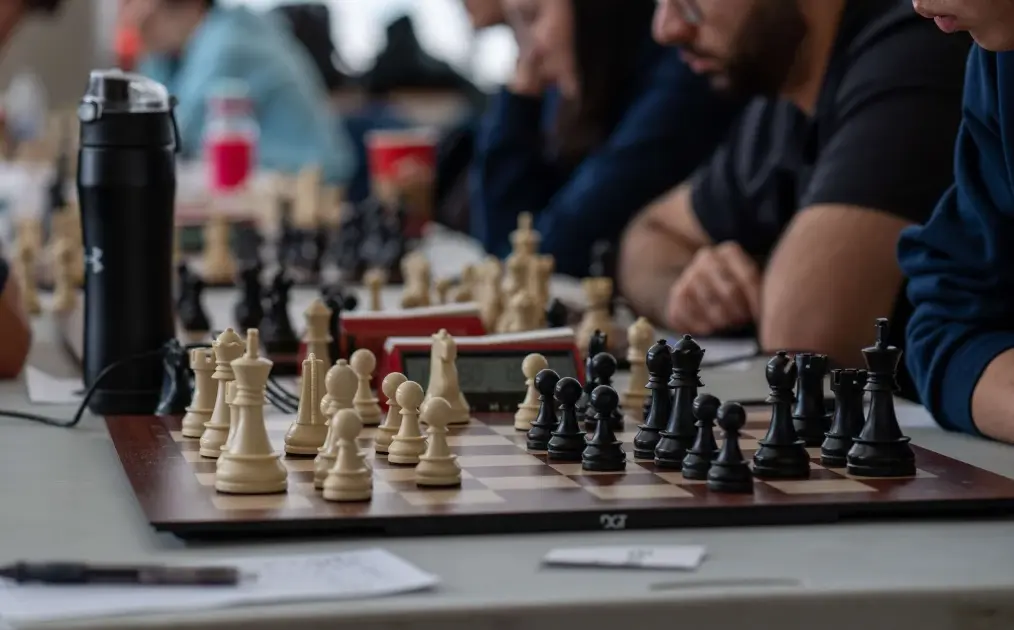
Addiction can feel like a life lived in shadows, where daily routines, relationships, and personal goals are dictated by substance use. For those recovering from heroin and other addictions, sobriety is only the first step. The real transformation begins when individuals discover purpose and meaning beyond the cycle of addiction. At Grancanaria Jedrez, we have witnessed how chess—a structured, mindful, and strategic activity—can become a powerful tool for rebuilding life, fostering resilience, and reigniting passion.
The Power of Purpose in Recovery
Sobriety provides freedom from substances, but without a meaningful focus, individuals can struggle with boredom, isolation, and emotional challenges. Purpose-driven activities fill this void, offering structure, achievement, and cognitive engagement. Chess, with its strategic thinking, problem-solving, and rules-based environment, allows individuals to channel energy into a constructive pursuit while rebuilding mental discipline and focus.
How Chess Strengthens Cognitive Function and Emotional Control
Heroin and other addictive substances disrupt brain circuits responsible for decision-making, impulse control, and emotional regulation. Chess challenges the brain to anticipate consequences, plan moves ahead, and manage complex strategies. These skills translate into everyday life, helping individuals pause, reflect, and make thoughtful decisions in recovery. Over time, regular engagement fosters improved concentration, patience, and emotional resilience—key factors in sustaining long-term sobriety.
Rebuilding Confidence and Identity
Addiction often erodes self-esteem and identity, leaving individuals uncertain of their value beyond substance use. Achievements on the chessboard—mastering a strategy, winning a match, or even learning from mistakes—reinforce the concept of personal growth and capability. Each accomplishment, however small, helps restore confidence and supports the broader journey of reclaiming one’s identity.
Social Connection and Community in Recovery
Isolation is a major risk factor for relapse. Chess provides opportunities for social interaction in a safe, structured, and positive environment. Group sessions, tournaments, and community learning foster relationships, mentorship, and accountability. Connecting with peers who share similar goals and challenges helps individuals feel supported and reduces feelings of loneliness, creating a foundation for emotional wellbeing.
Integrating Chess Into Holistic Recovery Programs
At Grancanaria Jedrez, chess is not just a hobby—it is part of a comprehensive recovery framework. Our programs integrate:
- Personalized addiction recovery services tailored to each individual’s needs
- Mental health treatment for co-occurring conditions such as anxiety, depression, and trauma
- Inpatient and outpatient care options that provide structure, flexibility, and continuous support
- Holistic and faith-based approaches that nurture emotional, spiritual, and physical health
- Behavioral therapies that reinforce positive routines, coping strategies, and life skills
By combining structured activities like chess with professional care, clients experience a holistic, engaging, and supportive recovery journey.
Practical Steps to Use Chess as a Recovery Tool
- Begin with achievable goals: Start with short sessions or basic strategies to establish consistency.
- Reflect on learning: Discuss lessons from games in therapy to strengthen emotional and cognitive insights.
- Engage socially: Participate in chess groups or online communities to foster connection and accountability.
- Celebrate milestones: Recognize achievements on the chessboard and in life to reinforce self-esteem and motivation.
Turning Purpose Into Lasting Change
Recovery is more than quitting substances; it is about rebuilding a life filled with purpose, connection, and self-worth. Activities like chess provide cognitive stimulation, emotional resilience, and social engagement, offering a meaningful path forward. At Grancanaria Jedrez, we are committed to helping individuals rediscover purpose, cultivate healthy habits, and transform their lives beyond addiction. If you or a loved one are ready to embrace recovery with support, structure, and purpose, reach out today to take the first step toward lasting change.