Healing from addiction and rebuilding mental health is not just about breaking old habits. It is about creating new ones that promote balance, joy, and stability. One of the most fascinating and empowering discoveries in neuroscience is the concept of neuroplasticity—the brain’s ability to change and adapt through new experiences. For individuals in recovery, this means that positive hobbies can literally rewire the brain, helping replace harmful patterns with healthy, fulfilling behaviors.
Understanding Neuroplasticity and Recovery
Neuroplasticity is the brain’s natural ability to form new connections and reorganize itself in response to learning and repetition. During addiction, the brain’s reward system becomes overstimulated by substances, causing natural sources of pleasure to lose their impact. Recovery can feel daunting because the brain must relearn how to experience satisfaction in healthy ways.
The good news is that neuroplasticity makes this transformation possible. Every time you engage in a positive activity—whether it’s art, exercise, or meditation—you strengthen new neural pathways that support wellness and self-control. Over time, these new patterns become your brain’s default response, reducing cravings and improving emotional balance.
How Positive Hobbies Support Brain Rebuilding
1. Restoring the Brain’s Reward System
Hobbies that bring joy, like painting, playing music, or gardening, help the brain release dopamine naturally. Unlike substances that create destructive highs, these activities encourage sustainable pleasure and reward. This retrains the brain to find fulfillment in healthy experiences rather than harmful ones.
2. Reducing Stress and Enhancing Focus
Stress can be a major trigger for relapse. Engaging in relaxing or creative hobbies lowers cortisol levels and promotes calmness. Activities that require focus, such as chess, crafts, or cooking, also strengthen concentration and mindfulness, which are essential for emotional regulation.
3. Strengthening Emotional Resilience
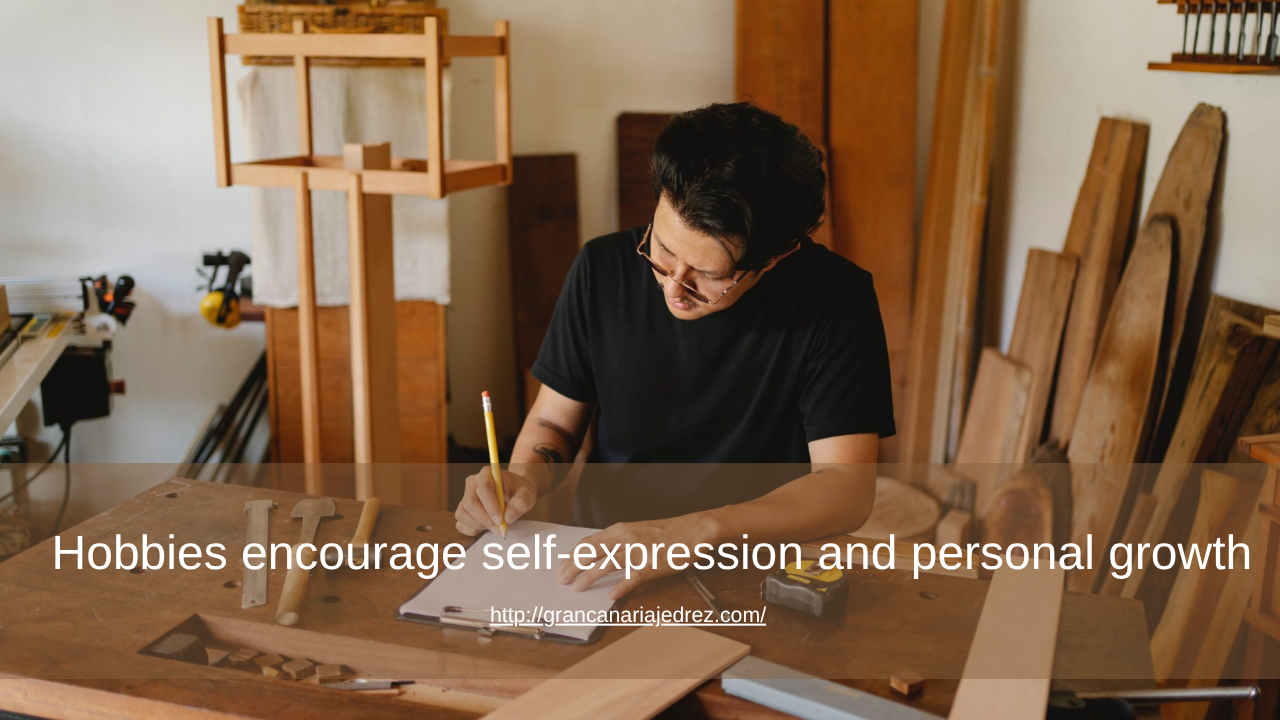
Hobbies encourage self-expression and personal growth. Writing, drawing, or even learning a new skill allows individuals to process emotions, boost confidence, and rebuild a sense of identity beyond addiction. This emotional renewal is key to maintaining long-term recovery.
Practical Ways to Use Hobbies for Healing
Start Small but Stay Consistent
Begin with short, manageable sessions each day. Consistency is more powerful than intensity when it comes to building new brain pathways.
Choose What Feels Rewarding
Recovery thrives on genuine engagement. Pick hobbies that bring real joy or curiosity, whether it’s dancing, hiking, playing an instrument, or volunteering.
Combine Hobbies with Professional Support
Positive activities work best when paired with holistic recovery programs that address both mind and spirit. Integrating hobbies with counseling, group therapy, and faith-based practices helps create a balanced and lasting transformation.
The Holistic Power of Faith and Creativity
At compassionate recovery centers like [http://grancanariajedrez.com/], healing is viewed as a whole-person process. Combining spiritual growth, creative expression, and clinical care allows individuals to recover not only physically but emotionally and spiritually. Faith-based support helps restore purpose and connection, while creative activities empower individuals to rebuild their lives with confidence and hope.
Rebuilding Life, One Positive Habit at a Time
Addiction may have reshaped the brain, but recovery reshapes it again—this time with strength, peace, and purpose. Through neuroplasticity, every healthy choice you make reinforces your new identity and brings you closer to lasting sobriety.
Positive hobbies are not just pastimes; they are powerful tools of transformation. When combined with compassionate, holistic treatment, they become a pathway to renewed purpose and mental wellness. If you or a loved one are ready to start rebuilding your life, reach out today. Healing begins when you choose to take that first small, meaningful step.